2026 Top Chain Link Mesh Fence Buying Guide for Global Sourcing?
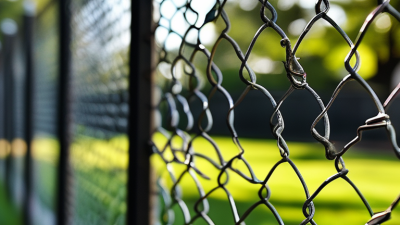
In the world of fencing, the "Chain Link Mesh Fence" stands out for its versatility and durability. These fences are widely used in various applications, from residential to commercial settings. They offer security, visibility, and low maintenance, making them a popular choice for many. However, selecting the right chain link mesh fence can be challenging.
Understanding the various types of chain link mesh fences available is crucial. Each type has its unique features, which may suit different needs. Factors to consider include material, gauge, height, and coating. These elements can greatly affect the fence's overall performance and longevity.
Additionally, evaluating suppliers is essential for a successful purchase. Not all suppliers maintain the same standards of quality. Researching their reputation, customer service, and warranty options can save you from potential pitfalls. It's important to gather information and make informed decisions, ensuring that the chain link mesh fence you choose meets your specific requirements and expectations.
2026 Chain Link Mesh Fence Market Overview and Key Trends
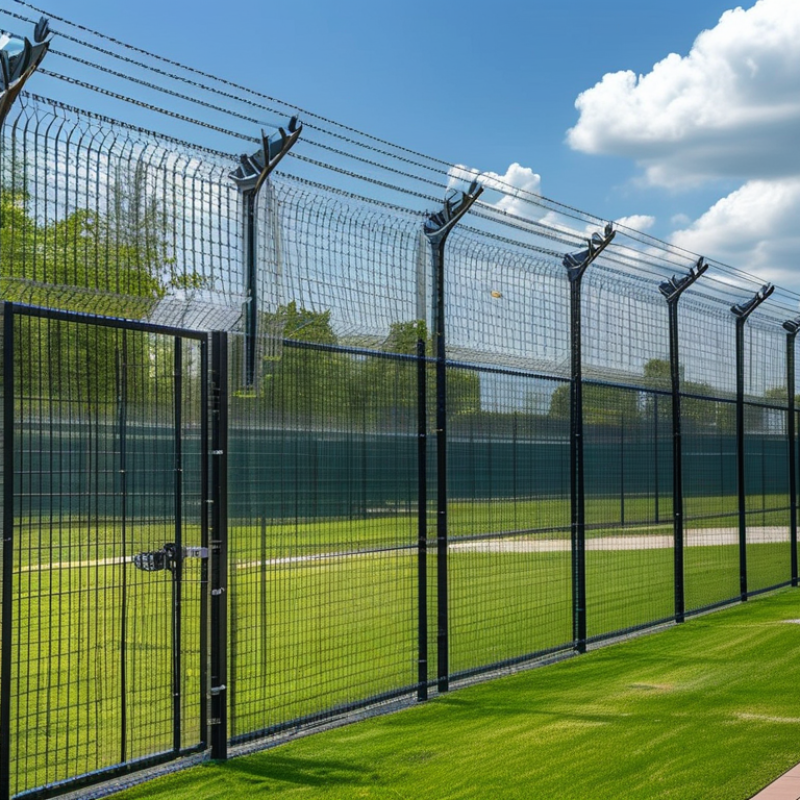
The chain link mesh fence market continues to evolve in 2026. Key trends indicate a growing preference for sustainable materials. Eco-friendly options are more sought after than ever. These materials not only reduce environmental impact but also enhance durability. Buyers now prioritize quality over cost.
When selecting a chain link mesh fence, consider local regulations. Compliance is essential for installation. Assess the climate in your area as it affects material longevity. For example, coastal regions may require rust-resistant coatings.
Tips for buyers: always verify supplier credentials. Seek recommendations from industry peers. Understand the gauge of the wire used for strength. A higher gauge number indicates thinner wire. Bonding quality is crucial. Spend time evaluating different manufacturers. The right choice can lead to significant long-term benefits. Reflect on your needs carefully before making a commitment.
2026 Chain Link Mesh Fence Market Overview
Materials and Manufacturing Processes for Chain Link Fencing
When selecting chain link fencing, understanding materials is crucial. Most commonly, chain link fences are made from galvanized steel. The galvanization process adds a protective zinc coating to prevent rust and corrosion. Aluminum variants are also available, offering lightweight and rust-resistant options. Selecting the right material impacts durability and long-term maintenance.
Manufacturing processes play a vital role in the quality of chain link fences. The wires are drawn and woven into various mesh sizes. Pay attention to the thickness of the wire, as it directly affects strength. Thicker wires typically offer more robustness but come at a higher cost. It’s also critical to ensure a smooth finish to prevent injuries during installation.
Tips: Look for warranties on fencing products. A good warranty often indicates quality. Always verify the installation process. Improper installation can lead to premature wear or damage.
Consider your local climate while making material choices, as it affects the fence's lifespan.
Factors Influencing Chain Link Fence Pricing in Global Markets
When sourcing chain link fences globally, pricing can fluctuate significantly. Various factors play a critical role in these price changes. One major consideration is material quality. Stronger, more durable materials cost more but can provide better long-term value. The gauge of the wire also impacts pricing. Thicker wires often lead to higher costs but offer enhanced security and durability.
Labor costs are another significant factor affecting pricing. Locations with higher wages tend to see increased fencing costs. Import tariffs can also add to the price if sourcing from abroad. Understanding local markets and their unique factors is essential for better pricing decisions.
Seasonal demands affect supply and can create price spikes.
Lastly, the level of customization, such as color and height, influences fencing costs. Buyers should assess their specific needs to avoid overpaying for features they don’t require. An awareness of these variables can lead to more informed sourcing choices in the chain link fence market. Engaging with suppliers who understand these dynamics may lend credibility and reliability to the purchasing process.
Key Applications and Industry Use Cases for Chain Link Mesh Fences
When considering chain link mesh fences, understanding their applications is crucial. These versatile structures serve multiple industries. They provide security for construction sites, parks, and sports facilities. Their open weave allows visibility, which is important for monitoring areas. Additionally, they manage property boundaries effectively.
Tips for choosing the right fence: consider the environment where it will be installed. For areas prone to severe weather, opt for stronger materials. Always assess the height and gauge of the mesh. A taller fence can deter intruders more effectively. However, it might obstruct visibility, which can be a drawback.
Chain link fences also play a role in agriculture. They keep livestock contained while allowing air circulation. For gardeners, they help create protective barriers against wildlife. However, over time, rust can develop, which may compromise their integrity. Regular maintenance is essential to ensure longevity.
Sourcing Strategies for Quality Chain Link Mesh Fences in 2026
When sourcing chain link mesh fences in 2026, strategic planning is essential.
Reports indicate a growing demand for durable and
rust-resistant materials.
Understanding the market trends can enhance sourcing effectiveness. For instance, the global
chain link fence market size is projected to reach $6 billion by 2026, according
to industry forecasts. This growth is driven by the increasing need for security in residential
and commercial properties.
Quality is paramount when selecting suppliers. Look for those with certifications
and positive reviews. Ensure that the fences comply with local regulations and standards.
According to a survey, 70% of customers prioritize
quality over price. This trend emphasizes the need for thorough supplier evaluation.
Tip: Always request samples before making bulk purchases. This allows for real-world testing
of durability and performance. Additionally, consider local suppliers for quicker delivery
and potential cost savings. Visualizing the fence's role in your project can aid in making
informed decisions. Choosing the right partner is key to avoiding potential setbacks.